
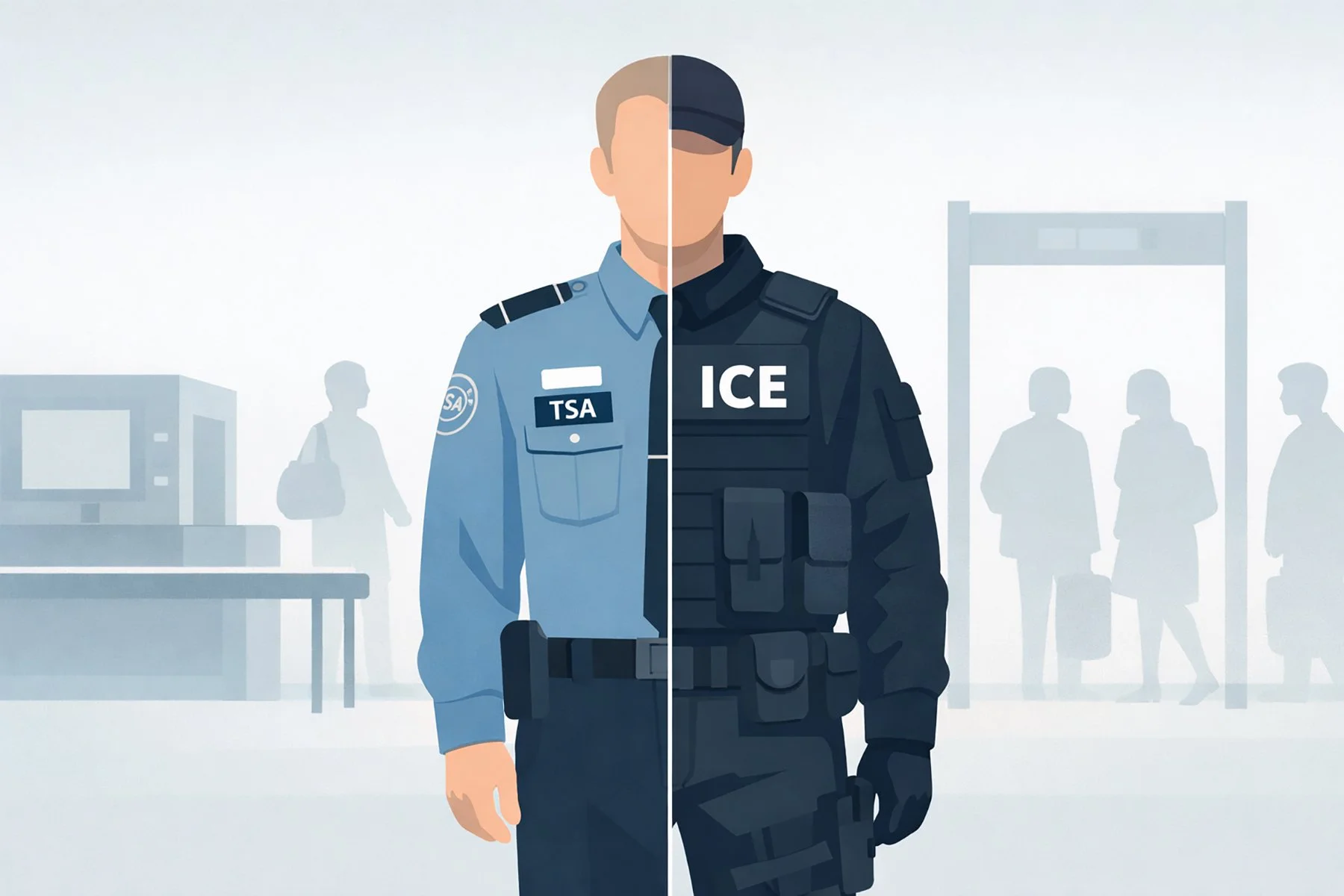
When the Fix Doesn’t Fit the Problem
A decision made under pressure is now reshaping one of the most familiar public spaces in our lives. The deployment of ICE agents to U.S. airports may appear to be a practical response to TSA staffing shortages during the government shutdown. But as this piece explores, it raises deeper questions about training, trust, and what happens when short-term fixes begin to change long-standing systems—for every traveler moving through those lines.

Breaking the Silence Around Power and Abuse
César Chávez is a name that carries deep meaning for many families, including mine. His work helped improve the lives of farmworkers like my parents and brought dignity to communities that had long been overlooked. But recent reporting has raised serious allegations that challenge how we understand his legacy. This blog reflects on how we hold space for both truth and impact—and why listening to survivors matters now more than ever.
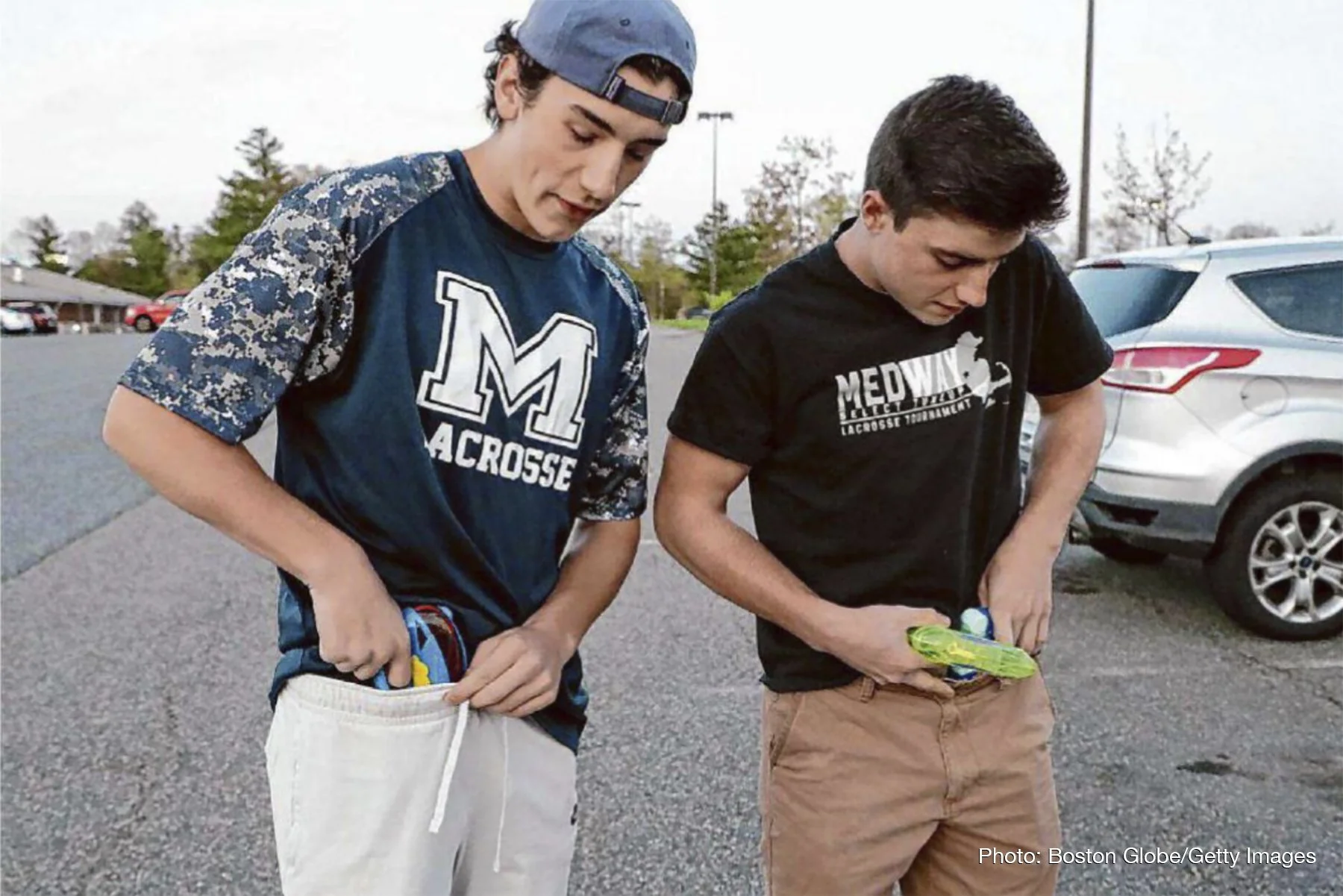
The Dangerous Game Hiding Behind a Water Gun
As graduation season approaches, a popular high school game known as “Senior Assassin” is spreading again through social media and student networks. In the game, students use water guns or gel blasters to “eliminate” assigned targets, often sneaking up on classmates in neighborhoods and public spaces. While it may seem like harmless fun, police departments across the country are warning that the game can trigger dangerous misunderstandings when toy guns are mistaken for real weapons and has even been linked to serious injuries and deaths. In this post, I share why parents and communities should pay attention to this trend and talk with teens about the risks before someone gets hurt.

In a Free Society, All Are Responsible
In my continued series on community safety, I explore what it truly takes to reduce violent crime. While enforcement remains essential, lasting safety cannot rely on arrests alone. Communities achieve stronger results when they balance prevention, intervention, enforcement, and reentry — addressing the conditions that contribute to violence while holding individuals accountable for harm. Drawing on decades of public safety experience, I reflect on why reducing violent crime is a shared responsibility that involves residents, policymakers, service providers, and law enforcement working together to create safer, more resilient communities.
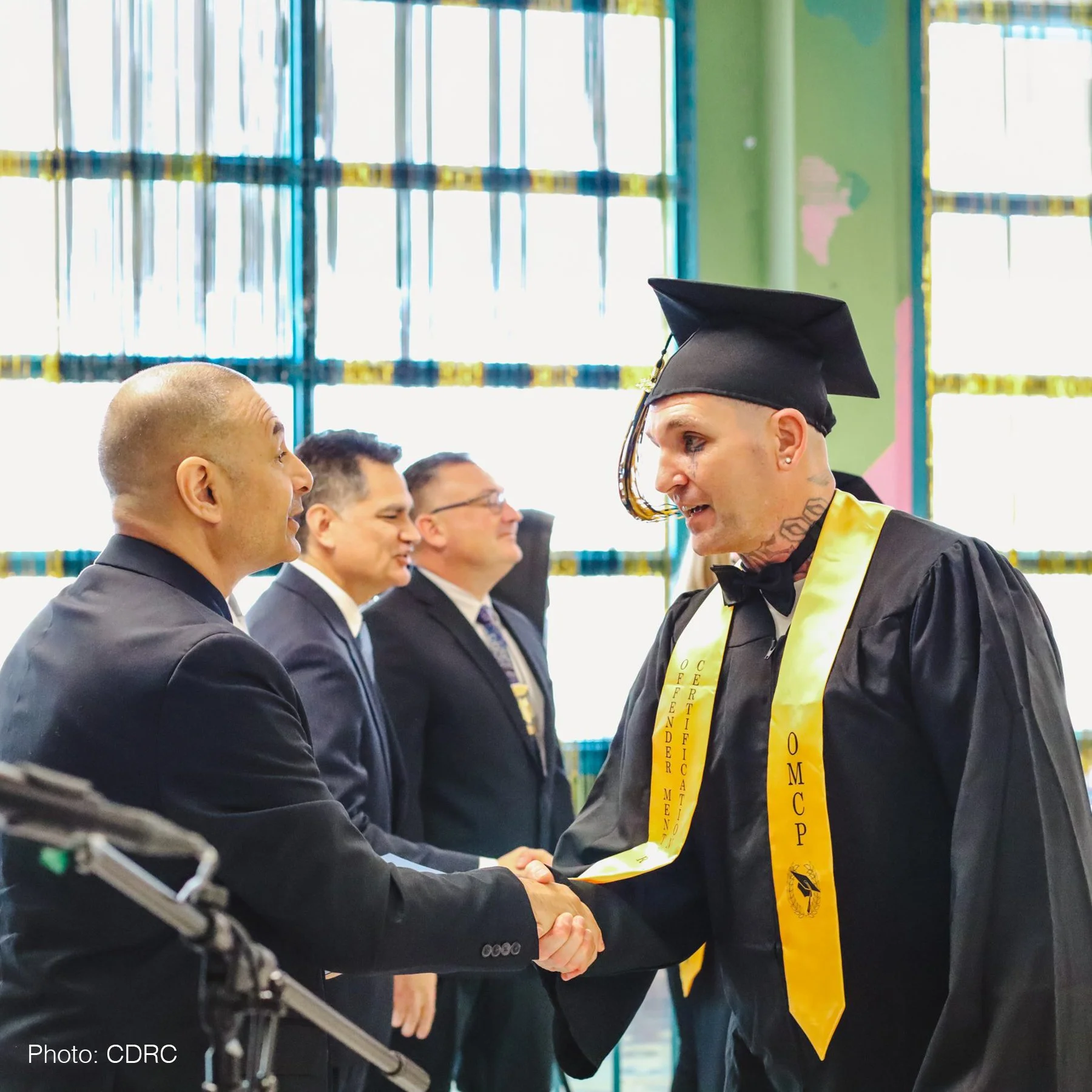
San Quentin: From Symbol of Punishment to a Model of Hope
San Quentin has long symbolized punishment in America’s criminal justice system. But its recent transformation into a rehabilitation-focused institution raises a deeper question about how we define public safety. Drawing from decades of experience in law enforcement, elected office, and violence prevention leadership, I explore why community safety must balance prevention, intervention, enforcement, and reentry — and why the way we prepare returning residents for their homecoming directly impacts the safety and well-being of us all.

From Constitutional Duty to Prime-Time Performance: The Evolution of the State of the Union
This essay explores how the State of the Union evolved from a modest constitutional report to Congress into a highly staged, prime-time political event. What started as straightforward written updates gradually evolved — through in-person speeches, radio, television, and social media — into a national spectacle shaped as much by optics as by substance. As viewers increasingly watch for performance and immediate fact-checking instead of shared civic understanding, the address often feels more like a political scoreboard than a constitutional duty. I invite you to consider whether this tradition still serves its original purpose — and how restoring more substance, restraint, and trust could strengthen our democracy.

Live Now: Lessons from Eric Dane We Shouldn’t Wait to Learn
In this reflection on Eric Dane’s final interview before his death on February 19, 2026, I explore the four lessons he shared with his daughters — live now, fall in love with purpose, choose your people wisely, and fight with dignity — and why they matter far beyond a farewell message. Dane, best known for his role on Grey’s Anatomy, used his last public words not to celebrate fame, but to clarify what truly counts. His hard-earned wisdom serves as a reminder that we don’t need to wait for a diagnosis or crisis to focus on what matters most. In a time filled with distraction and division, his message challenges us to live intentionally, anchor ourselves in purpose, build strong relationships, and face life’s struggles with courage and grace — not someday, but now.
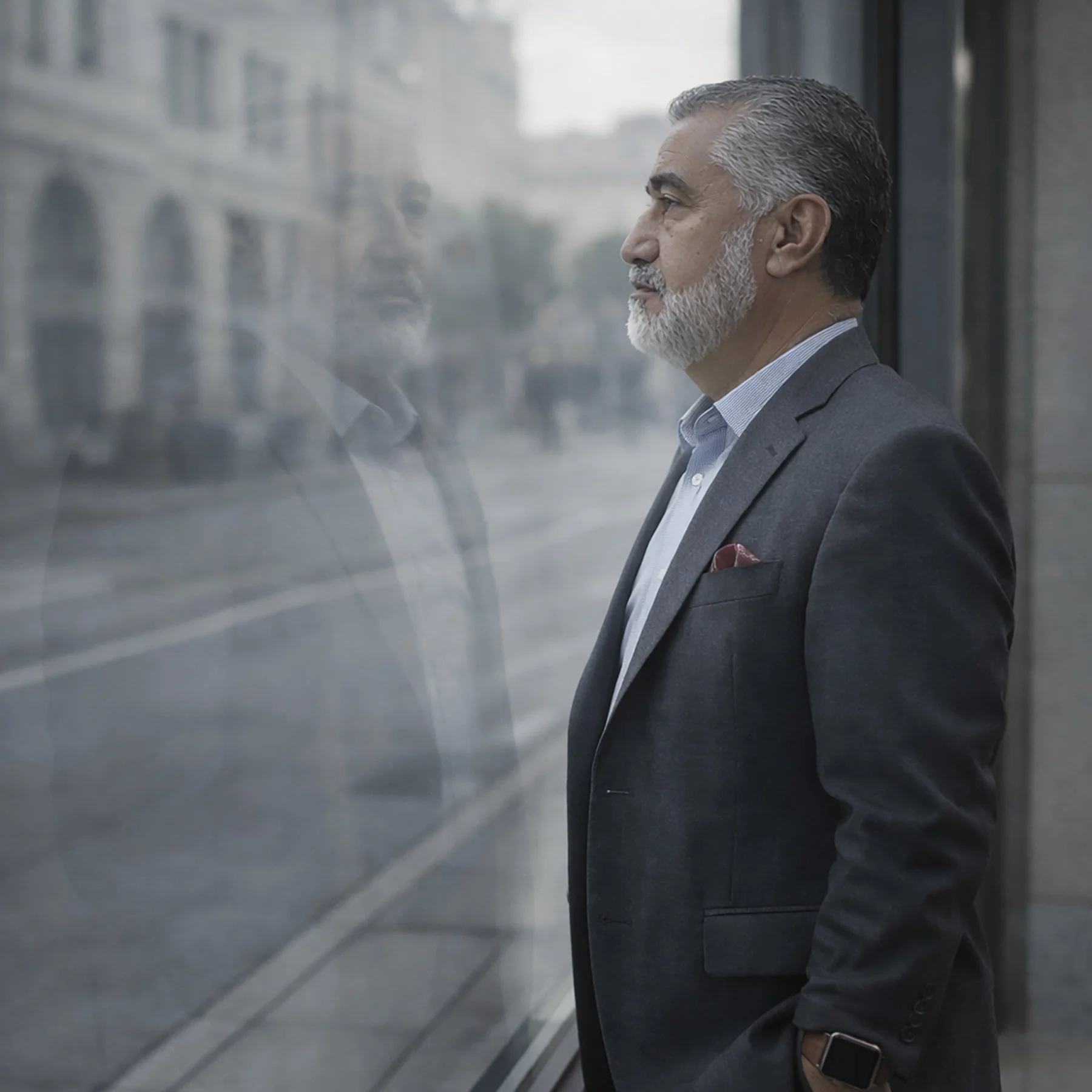
“When Are You White?”
About twenty-five years ago, I was asked a question at a seminar that has stayed with me ever since: “When are you white?” As a Mexican immigrant and long-time American citizen, I had spent much of my life thinking about when I was seen as different. I had never considered when I might be seen as part of the default. That question opened my eyes to how belonging in America is often shaped not just by law or citizenship, but by perception — by who receives the benefit of the doubt, who is presumed competent, and who is asked to prove they belong. In this reflection, I explore how whiteness can function as a social shortcut to credibility, how that dynamic shows up in everyday interactions and immigration debates, and why understanding it matters for building communities grounded in dignity and fairness.

From Memes to Meaningful Action: Why Responsible Posting Matters
In a time when social media moves faster than reflection, this blog explores the difference between reacting and engaging responsibly. Humor and memes have their place — and yes, we need the laugh — but serious issues require more than quick shares and vague claims like “I heard” or “people say.” Before posting about complex national topics, we owe it to each other to pause, verify sources, read beyond headlines, and base our advocacy on credible information. Responsible sharing builds public trust, improves civic conversation, and demonstrates the accountability we often ask of others. In today’s world, thoughtful digital citizenship isn’t optional — it’s essential.
Keep Hope Alive: The Enduring Legacy of Jesse Jackson
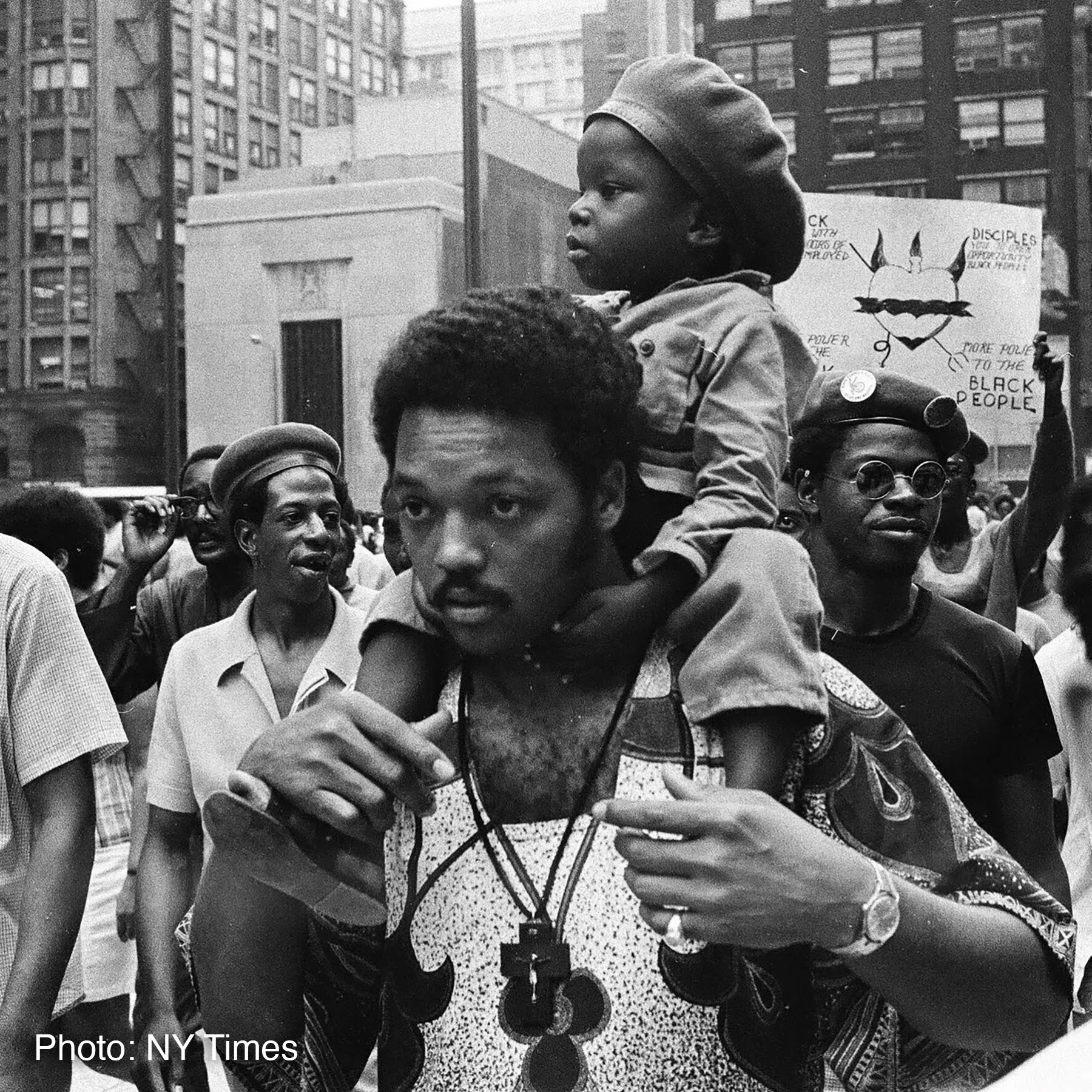
The Rev. Jesse Jackson devoted his life to expanding opportunity, defending civil rights, and insisting that America live up to its highest ideals. From marching alongside Dr. Martin Luther King Jr. to launching historic presidential campaigns and advocating for workers, voters, and marginalized communities, his call to “Keep hope alive” was a challenge to act, not just to believe. This tribute reflects on his enduring legacy and reminds us that the work of justice is unfinished — and that each generation must accept responsibility for carrying hope forward.
Dolce Far Niente: The Sweetness of Doing Nothing
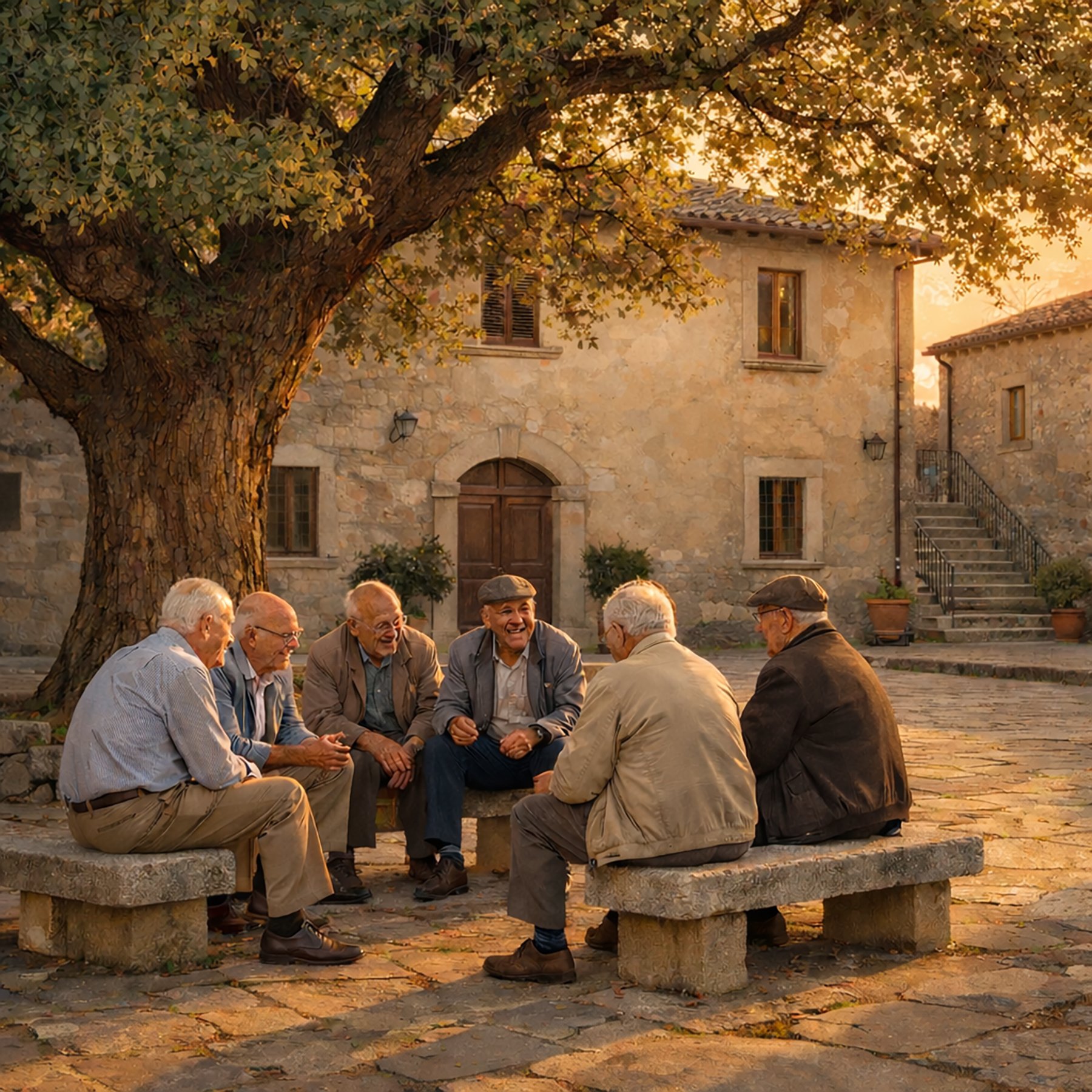
This past summer, I read an essay in a local newspaper about the Italian idea of dolce far niente — the sweetness of doing nothing — and it forced me to reflect on my own lifelong habit of saying yes to service. I inherited that instinct from my parents, who, despite having very little, always found something to give. Recently, that reflection led me to step down from two nonprofit boards to reassess my life balance — a decision rooted not in disengagement, but in sustainability. In this blog, I share why slowing down can actually deepen our impact, how guilt can accompany growth, and why our communities need both renewed energy and healthy, intentional leadership now more than ever.

Presidents’ Day and the Measure of Greatness
On Presidents’ Day, we’re reminded that the office of the presidency is defined not by personality or volume, but by the ability to guide the nation through its most fragile moments. In this blog, I reflect on how George Washington, Abraham Lincoln, and Franklin D. Roosevelt strengthened democratic institutions, preserved unity during crisis, and set enduring standards for leadership — and why those standards still matter today. As we consider how history evaluates presidents, the larger question becomes clear: are our leaders reinforcing the guardrails of democracy and bringing the country together, or weakening the very foundations that hold it in place?

Why Monitoring ICE Activity Matters
cross the country, residents are increasingly monitoring federal immigration enforcement in their neighborhoods — a practice rooted in a long American tradition of civilian oversight that dates back to community Copwatch efforts of the 1960s. This essay explores how today’s documentation efforts reflect both public mistrust and a desire for transparency, while emphasizing that responsible, lawful observation can strengthen — rather than undermine — public safety. Drawing on decades of experience in law enforcement and community safety, I examine the balance between authority and accountability, the role of technology in shaping modern oversight, and why this evolving form of civic participation matters for democracy right now.
When the Biggest Stage Speaks
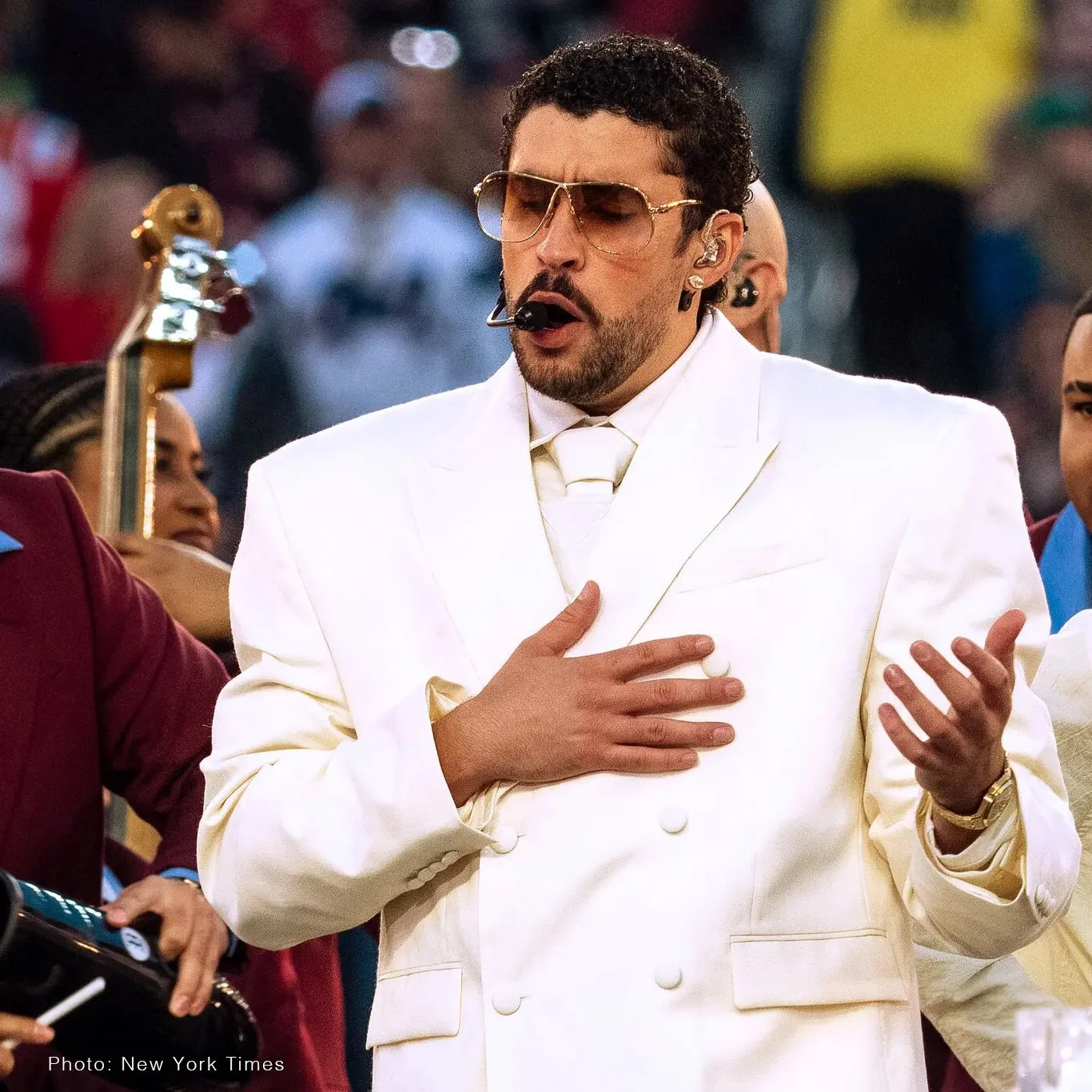
Bad Bunny’s Super Bowl halftime performance became more than a musical spectacle — it evolved into a cultural statement about unity, identity, and belonging on one of the world’s largest stages. By celebrating Latin heritage and redefining “America” as a shared hemisphere rather than a single narrative, he challenged traditional notions of patriotism and sparked both praise and criticism. The essay explores how the NFL’s global reach amplifies moments like this, why representation at high-profile events carries real significance, and how such performances invite us to reconsider who is included in our national story — and why that conversation matters today.
Removing Pride from America’s National Monuments Hurts Us All
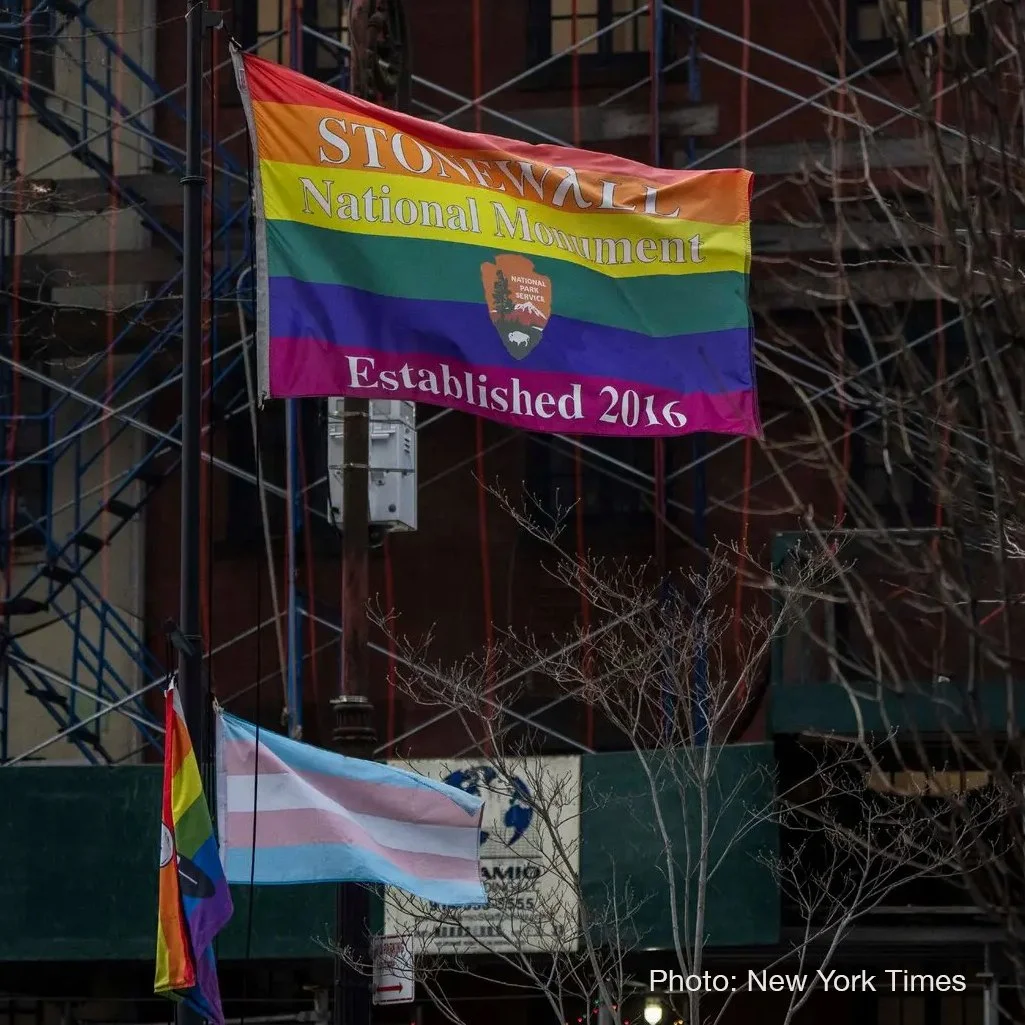
This blog examines the federal removal of the Pride flag from the Stonewall National Monument and the powerful message such an act sends about inclusion, historical memory, and belonging in America. More than a dispute over flag protocol, the decision is framed as a symbolic retreat from recognizing LGBTQ+ courage and civil rights history at a site that helped ignite a national movement. By exploring parallels to debates over Confederate monuments and the restoration of erased Indigenous histories, the post argues that public symbols shape who feels seen, valued, and protected in our national story. Ultimately, it contends that removing symbols of marginalized communities does not create neutrality — it creates exclusion — and that how we choose to represent our past directly influences the future we are building.

Transparency Is the Test of Public Trust
When an elected official is formally censured following a taxpayer-funded investigation, transparency is not optional — it is essential. In Santa Rosa, the City’s decision to withhold the full investigative report into Council Member Dianna MacDonald, whose term runs through 2028, has left constituents with unanswered questions about accountability and representation, especially after her removal from key committee roles. This blog explores why the public deserves full disclosure in order to make informed decisions about trust, leadership, and how to move forward as a community.