
Beyond the ICE Debate: What the Farm Bureau Can Do for Farmworkers Now
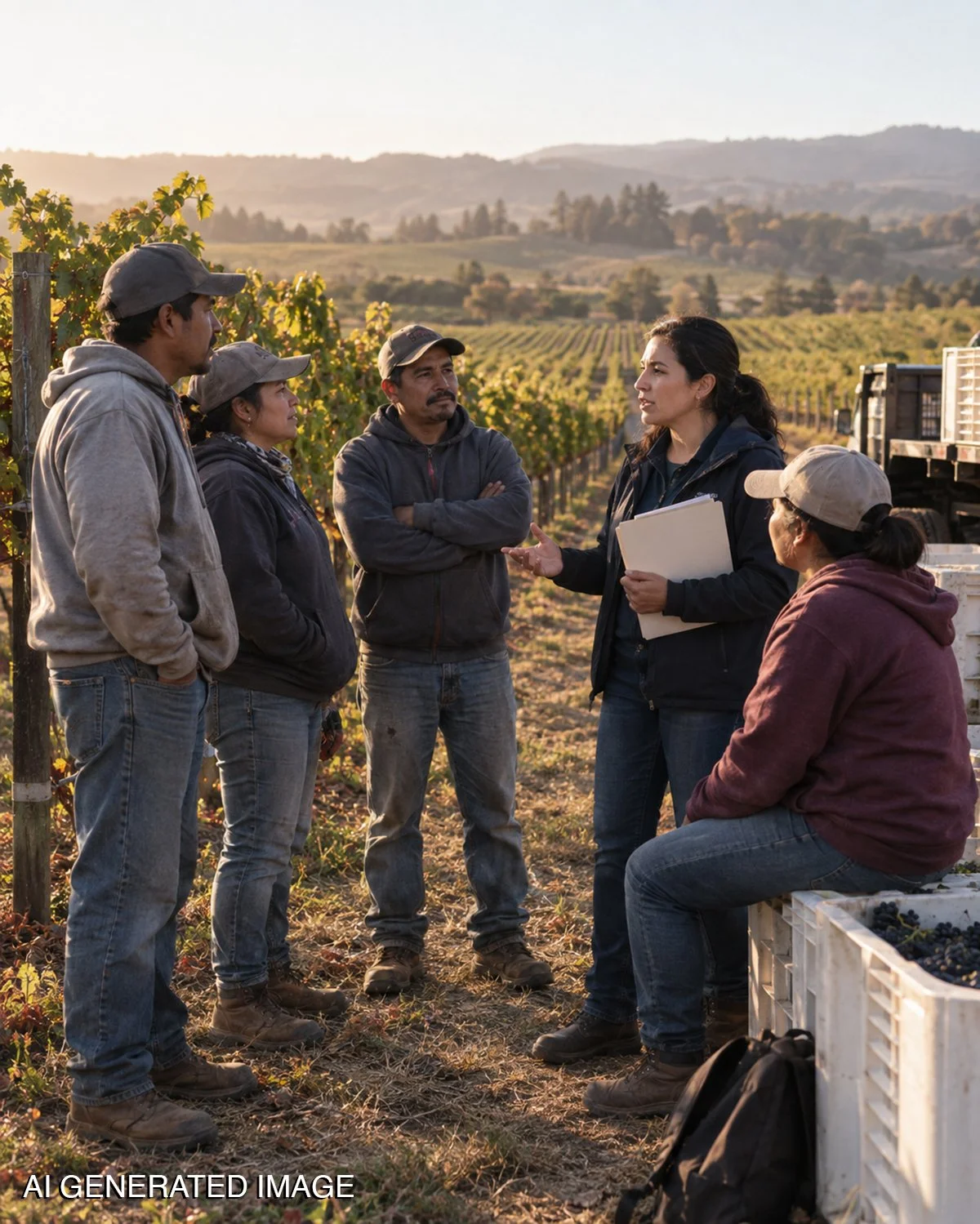
A week after questioning the Sonoma County Farm Bureau’s support for Sheriff Eddie Engram’s ICE collaboration policy, new reporting and research point to a more constructive question: What can the Farm Bureau do now to support farmworkers and their families? This follow-up looks at the fear and uncertainty affecting agricultural workers and growers, the California Farm Bureau’s own research on enforcement-related labor disruptions, and practical steps local agricultural leaders can take to provide reliable information, legal resources, employer guidance and reassurance. The debate over ICE policy will continue, but support for the people who sustain Sonoma County agriculture does not have to wait.
Who Gets to Make the Rules of an American Election?
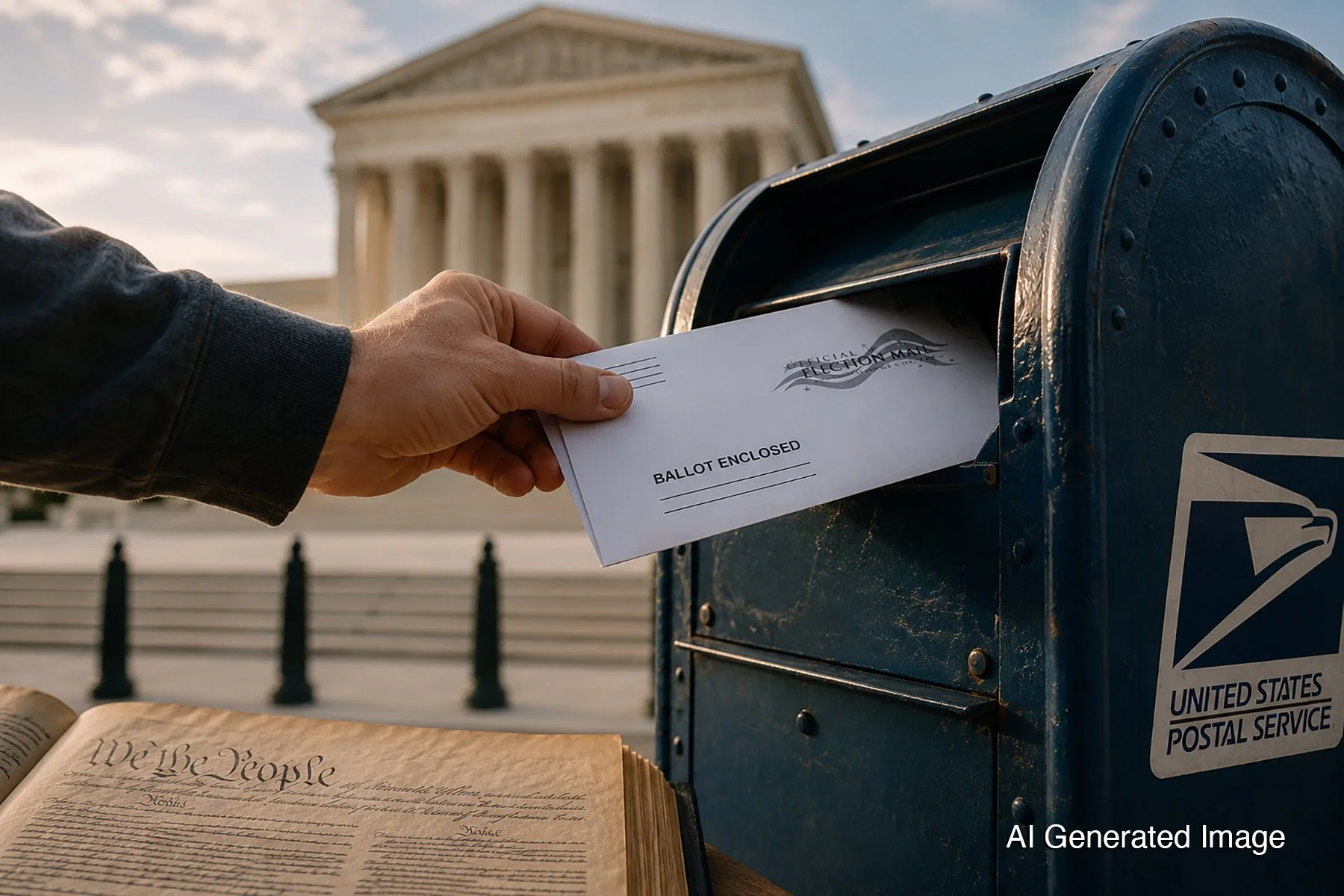
When a president can change election rules by executive order, the issue is bigger than mail ballots. President Donald Trump’s new restrictions on voting by mail have sparked a constitutional fight over who controls American elections, how far presidential power can reach, and what happens when those rules change just weeks before voters cast their ballots. The Supreme Court has not ruled that Trump’s restrictions are constitutional, yet the battle over implementation is already reshaping the election landscape. The question now is not simply whether these rules are good or bad. It is whether any president should have this much power over how Americans vote.
When “Common Sense” Needs Evidence: The Farm Bureau, ICE, and Public Safety
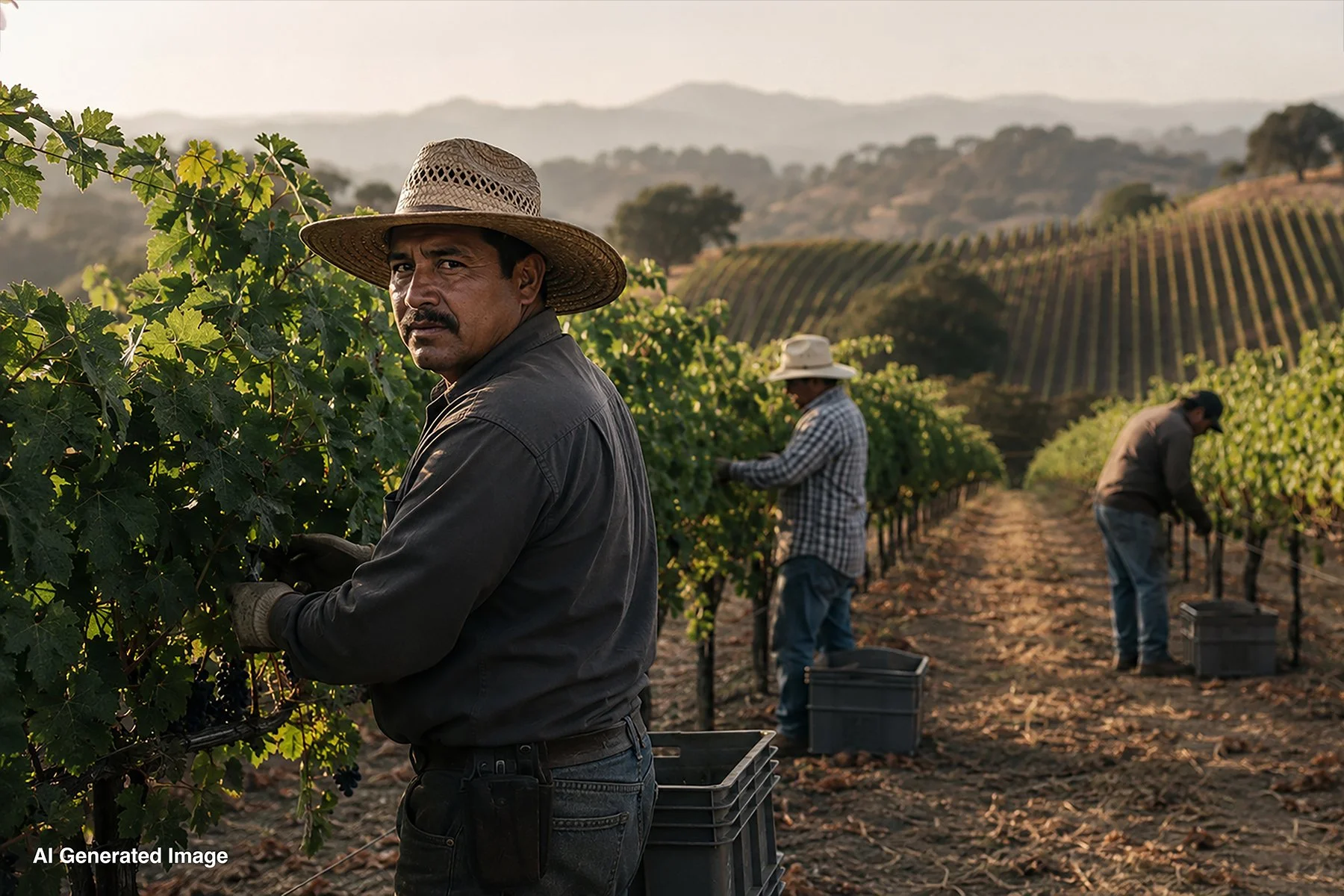
The Sonoma County Farm Bureau’s support for Sheriff Eddie Engram’s immigration collaboration policy raises questions that go beyond whether violent offenders should be held accountable. The deeper issue is whether the policy addresses a demonstrated public-safety problem, how it affects trust between immigrant communities and law enforcement, and why an organization so dependent on immigrant agricultural labor has chosen to enter this debate—particularly during winegrape harvest season. In this essay, I examine what the local data show, what they do not show, and why evidence should matter more than slogans when immigration and public safety intersect.

Before the Gun Is Fired: Why Santa Rosa’s Gun Buyback Matters
Santa Rosa’s Oct. 3 gun buyback will not solve gun violence by itself, but it can still make homes and neighborhoods safer. Removing unwanted firearms can reduce the risk of theft, accidental shootings, suicide, and violence during moments of crisis, while also creating an opportunity to raise awareness of safe storage and prevention. More importantly, the event should remind us that reducing gun violence requires a long-term, comprehensive strategy that combines prevention, intervention, enforcement, and reentry — and begins well before a gun is ever fired.
More Than Music: What California’s Best Youth Mariachi Teaches Us
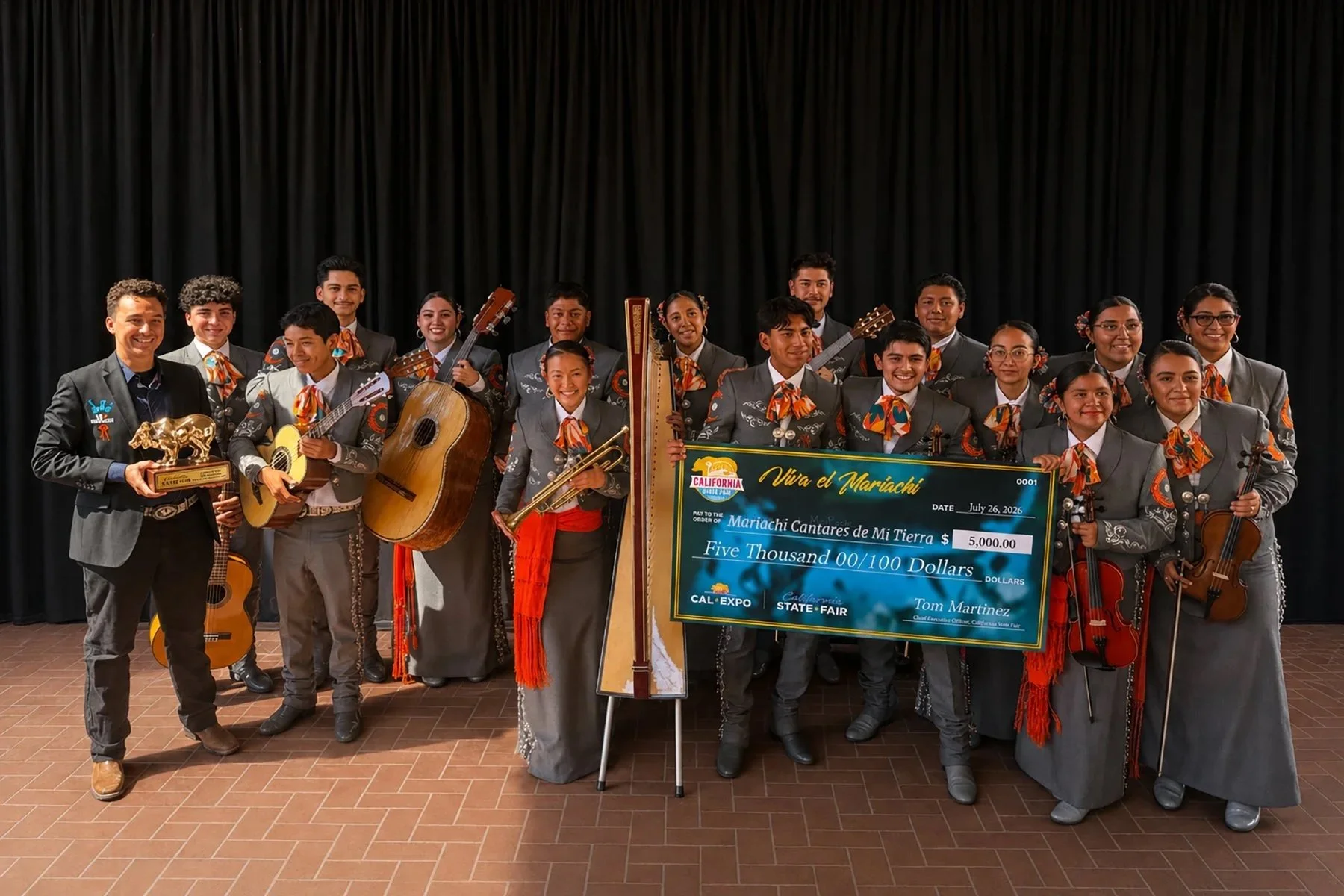
When Mariachi Cantares de Mi Tierra won first place at the 2026 California State Fair and was named the Best Youth Mariachi in California, the victory represented far more than a trophy. It reflected years of practice, perseverance and community investment in a program that now serves more than 140 young people through the Luther Burbank Center for the Arts. In this essay, I look beyond the championship to explore how mariachi is helping students build confidence, discipline and leadership, strengthen connections to family and culture, create opportunities for young women, and bring Latino and non-Latino youth together through music.
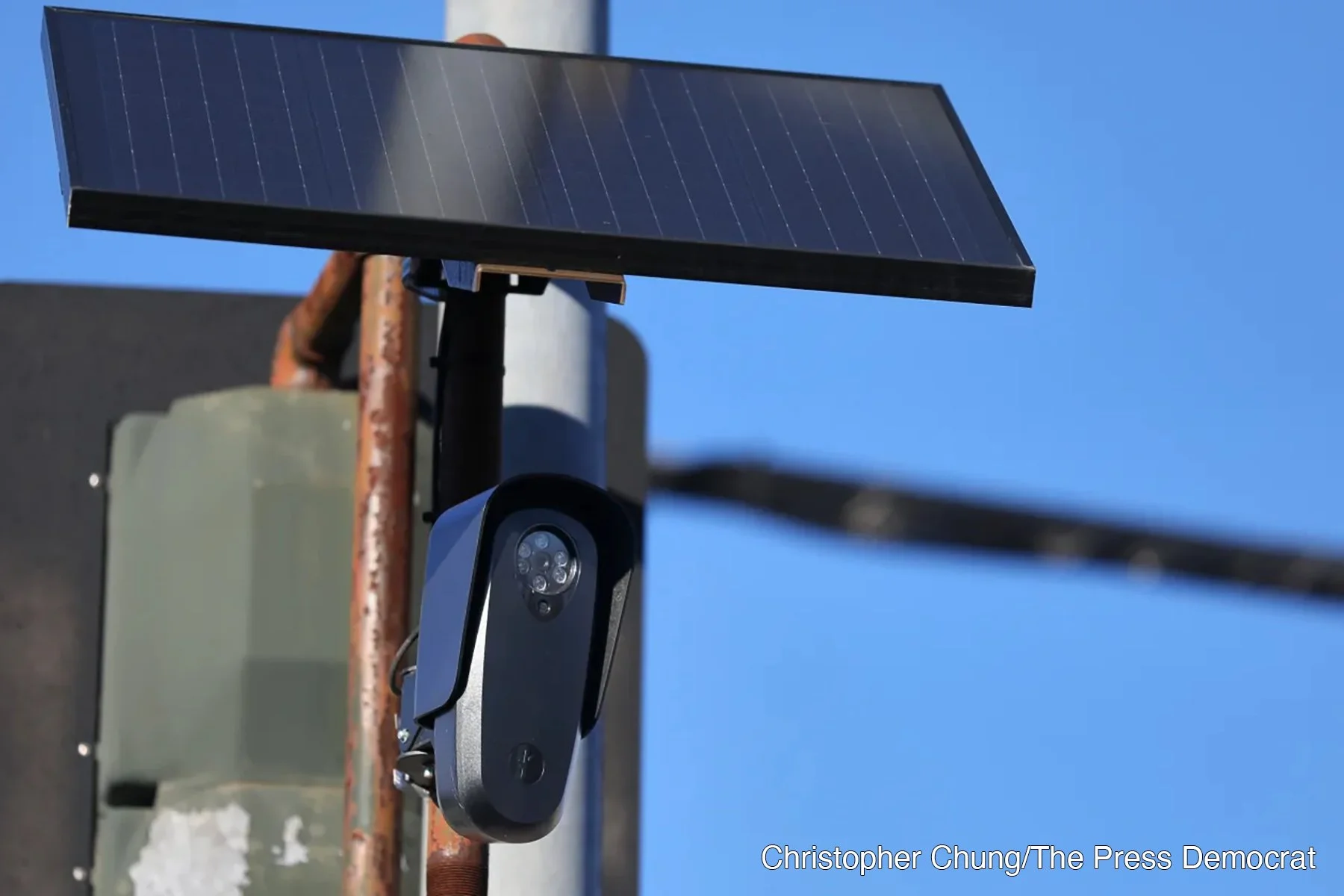
Flock Cameras: Public Safety Needs Tools, Liberty Needs Guardrails
Flock cameras have become a growing part of public safety work in Santa Rosa and across Sonoma County. They can help police locate stolen vehicles, identify suspects and develop leads in serious cases. But the same technology also raises legitimate concerns about privacy, data sharing and government overreach. This essay considers how communities can support effective public safety tools without surrendering the civil liberties those tools are meant to protect.
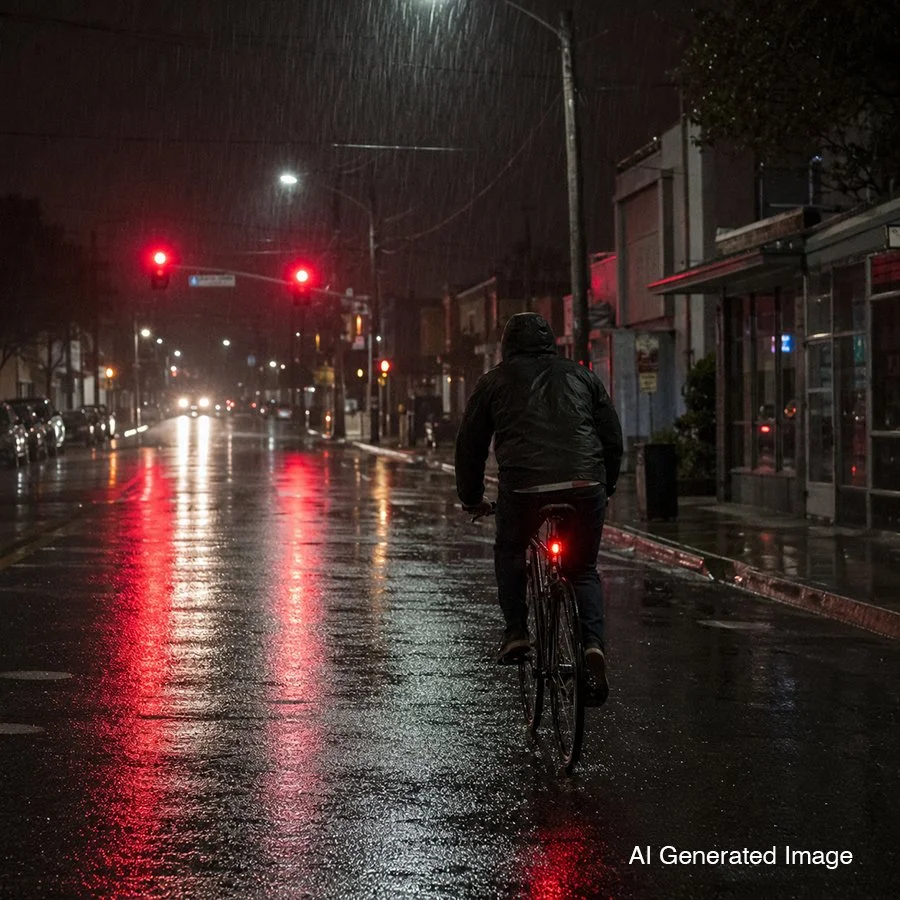
A Safer Choice Is Not Always a Safe Choice
Santa Rosa City Council member Eddie Alvarez’s arrest for riding a bicycle while intoxicated raises questions that go beyond whether he made a better choice than driving a car. It asks us to consider how impaired judgment can still endanger the rider, motorists and pedestrians, and what accountability should look like when an elected official publicly acknowledges misconduct. This essay examines the legal, moral and leadership implications of that decision—and why accepting responsibility requires more than comparing one dangerous choice with an even worse one.
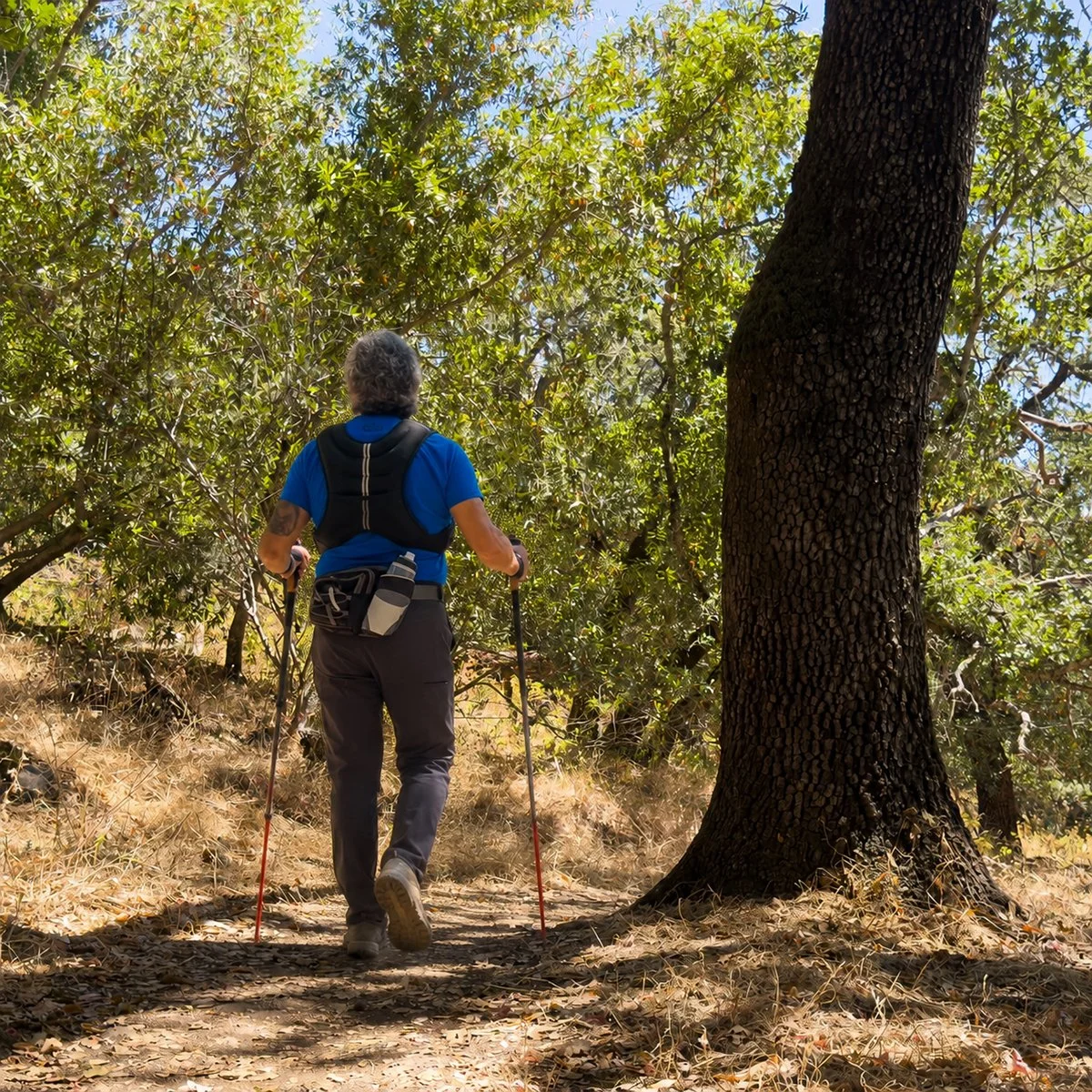
The Trail Ahead: What Taylor Mountain Is Teaching Me About Growing Older
I recently took up hiking, beginning on the trails of Taylor Mountain, just a half-mile from my Santa Rosa home, where I now hike regularly. A recent New York Times article about 91-year-old Dale Sanders and his attempt to complete the Appalachian Trail caused me to reflect on what hiking is teaching me about aging, purpose and well-being. The experience reminds me that growing older changes what our bodies can do, but it does not erase our need for challenge, reflection, connection and discovery.
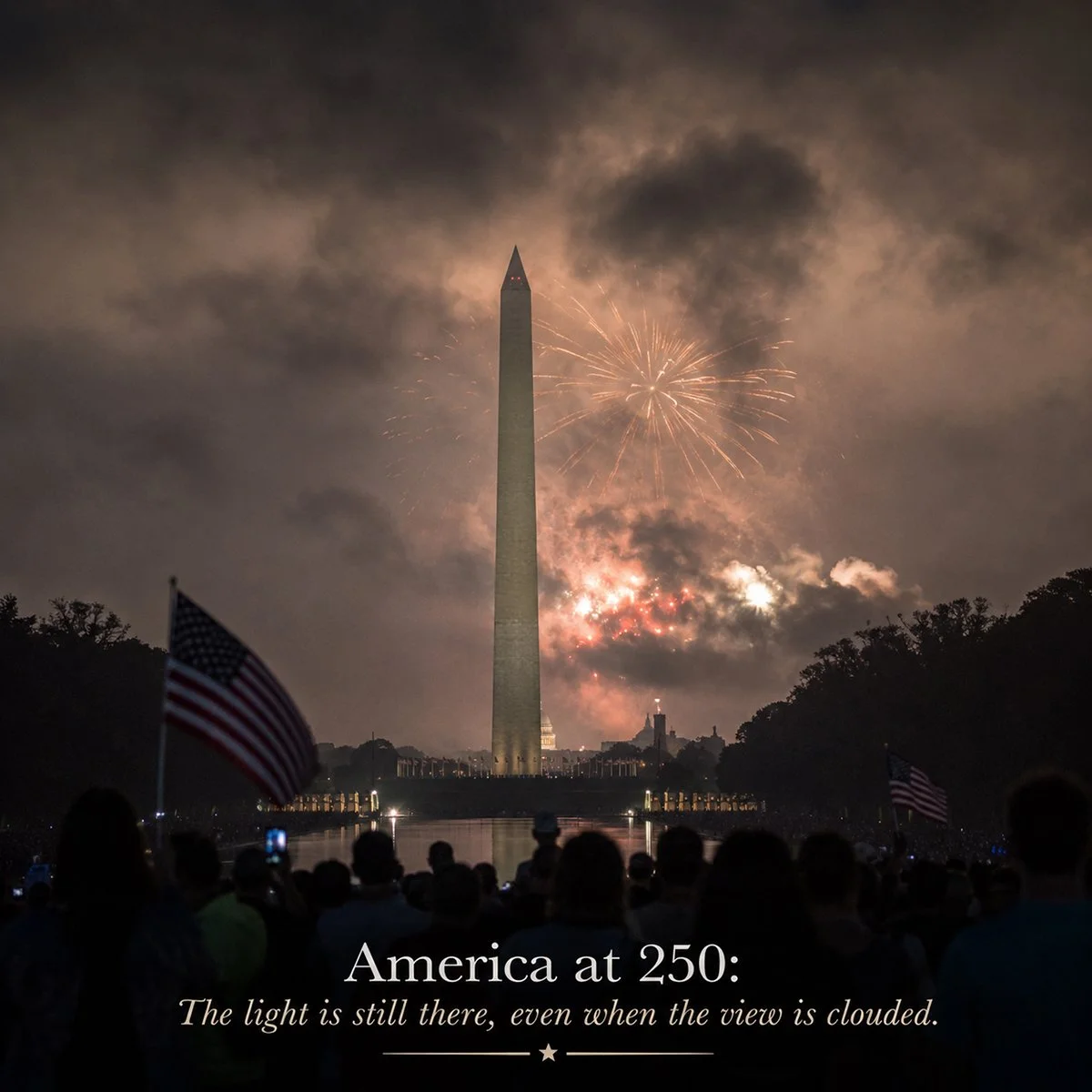
America’s 250th Birthday Needed More Than Fireworks
America’s 250th anniversary should have felt like a moment of shared national reflection, gratitude and renewal. Instead, for many, it felt strangely muted — a celebration dimmed by political division, spectacle, smoke, fog and a mood that never quite rose to meet the gravity of the milestone. This essay reflects on why the anniversary felt less like a confident celebration of freedom and more like a reminder that America’s promise remains visible, but partly obscured.
No Child Should Need Courage to Enter a Library
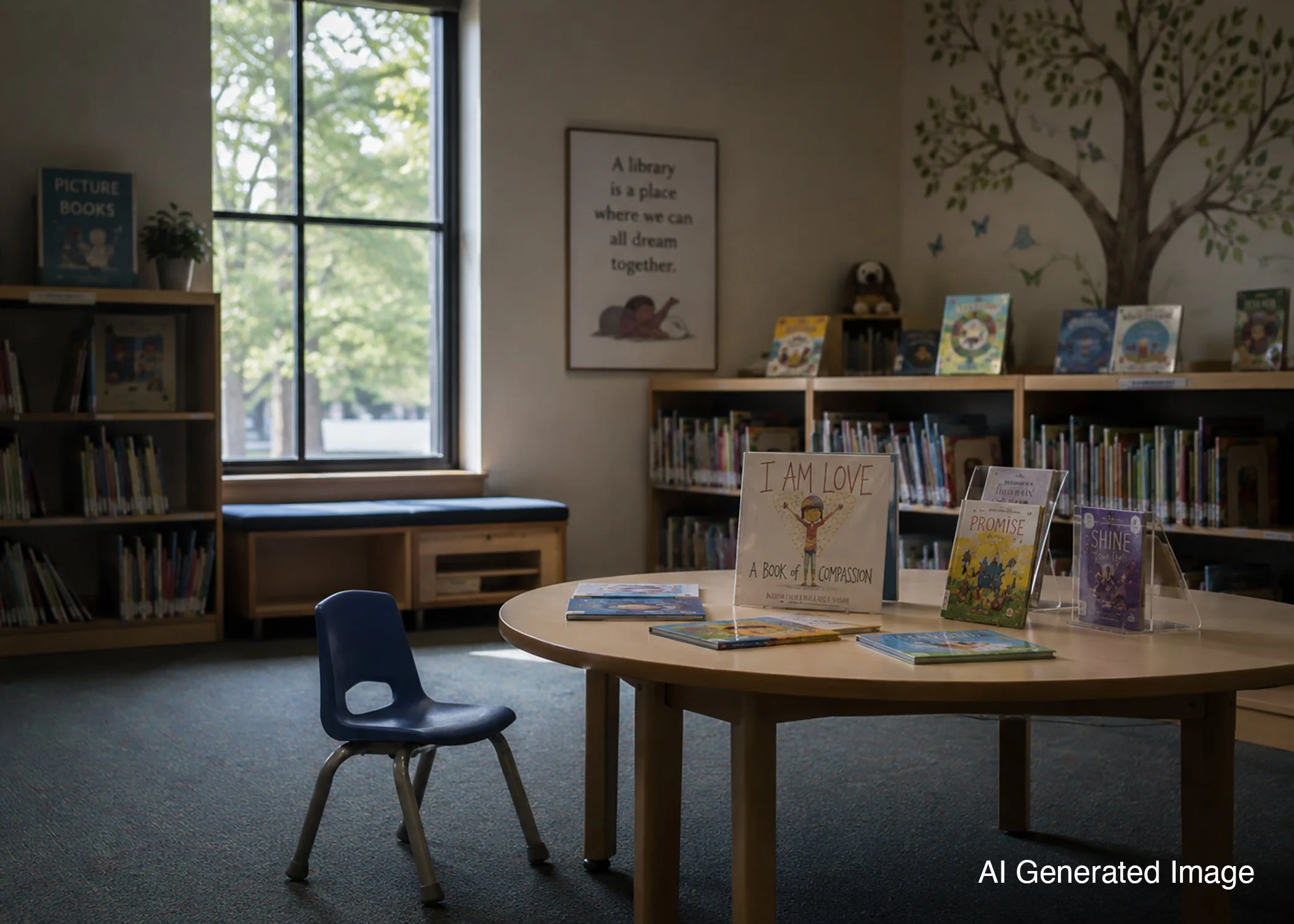
A library should be one of the safest places in any community. After the deadly shooting at the Chico branch of the Butte County Library, this essay reflects on what it means when children experience gun violence in places built for learning, peace, and public trust. Drawing on my years in law enforcement and community violence prevention, I argue that quick police response matters, but true public safety must begin long before the first 911 call. Gun violence prevention is not about one slogan or one solution. It is about secure storage, early intervention, threat assessment, mental health support, community prevention, and the courage to protect children without turning every public space into a fortress.
The Silence My Father Carried
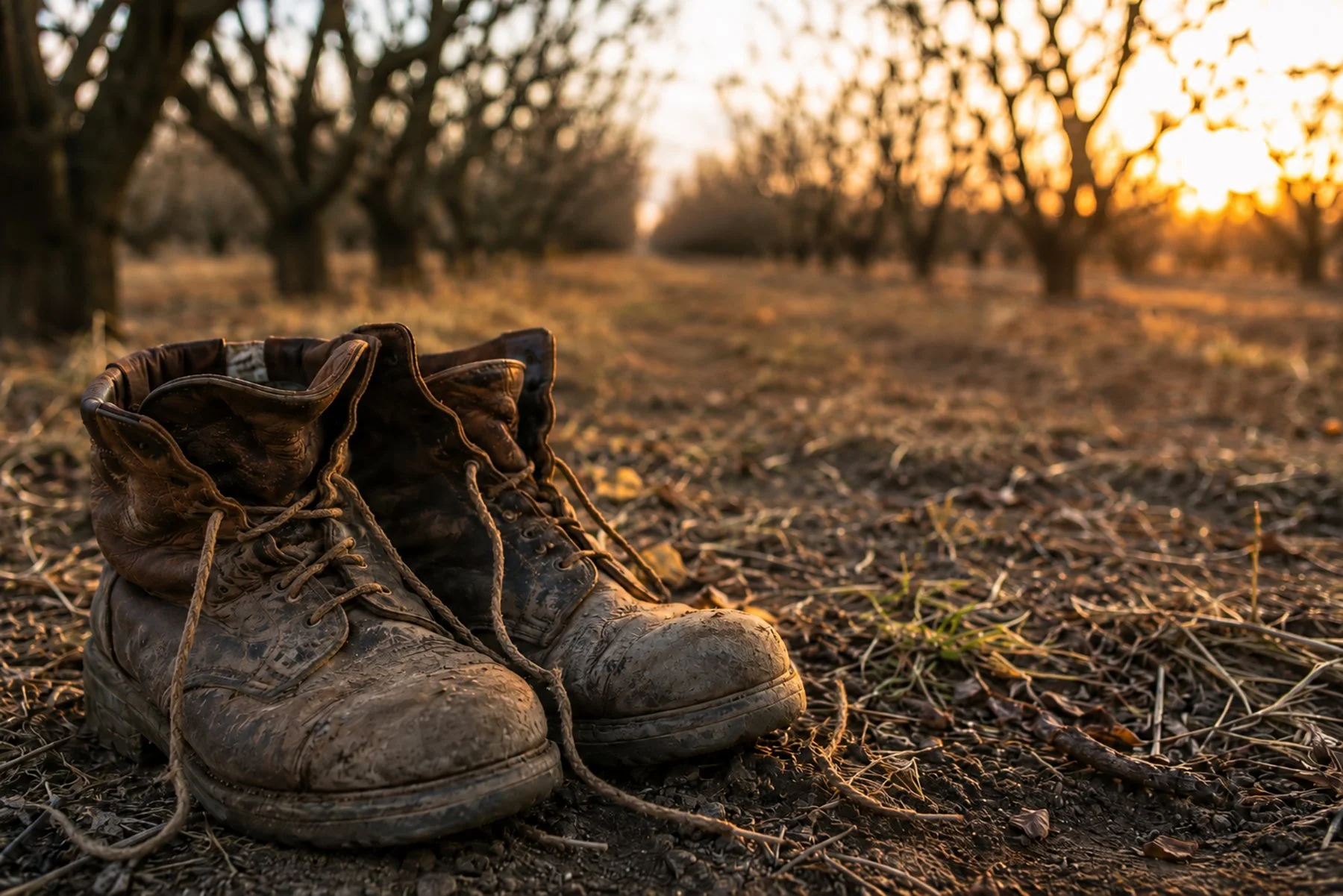
In this deeply personal essay, I reflect on my father's life as a hardworking immigrant farmworker and the quiet pain he endured. His battle with depression ultimately led to his suicide during the 1988 prune harvest. His story is part of a broader conversation about men's mental health, particularly in areas where stigma, silence, and cultural expectations often prevent individuals from seeking help. This essay encourages us to view mental health as a family issue, a public safety concern, and a community responsibility. It emphasizes that asking for help is not a sign of weakness, but rather an act of courage and hope.

Oversight That Strengthens Both Policing and Public Trust
Police oversight is often framed as a choice between supporting officers and holding them accountable. That is the wrong frame. Santa Rosa’s latest independent police auditor report shows how meaningful oversight can do both. OIR Group’s review highlights a model built on early access, professional independence, and direct involvement while misconduct investigations are still underway. This essay looks at why that matters, how the police-auditor model fits Santa Rosa, and why public transparency strengthens trust between law enforcement and the community it serves.
Public Safety Begins Before the 911 Call
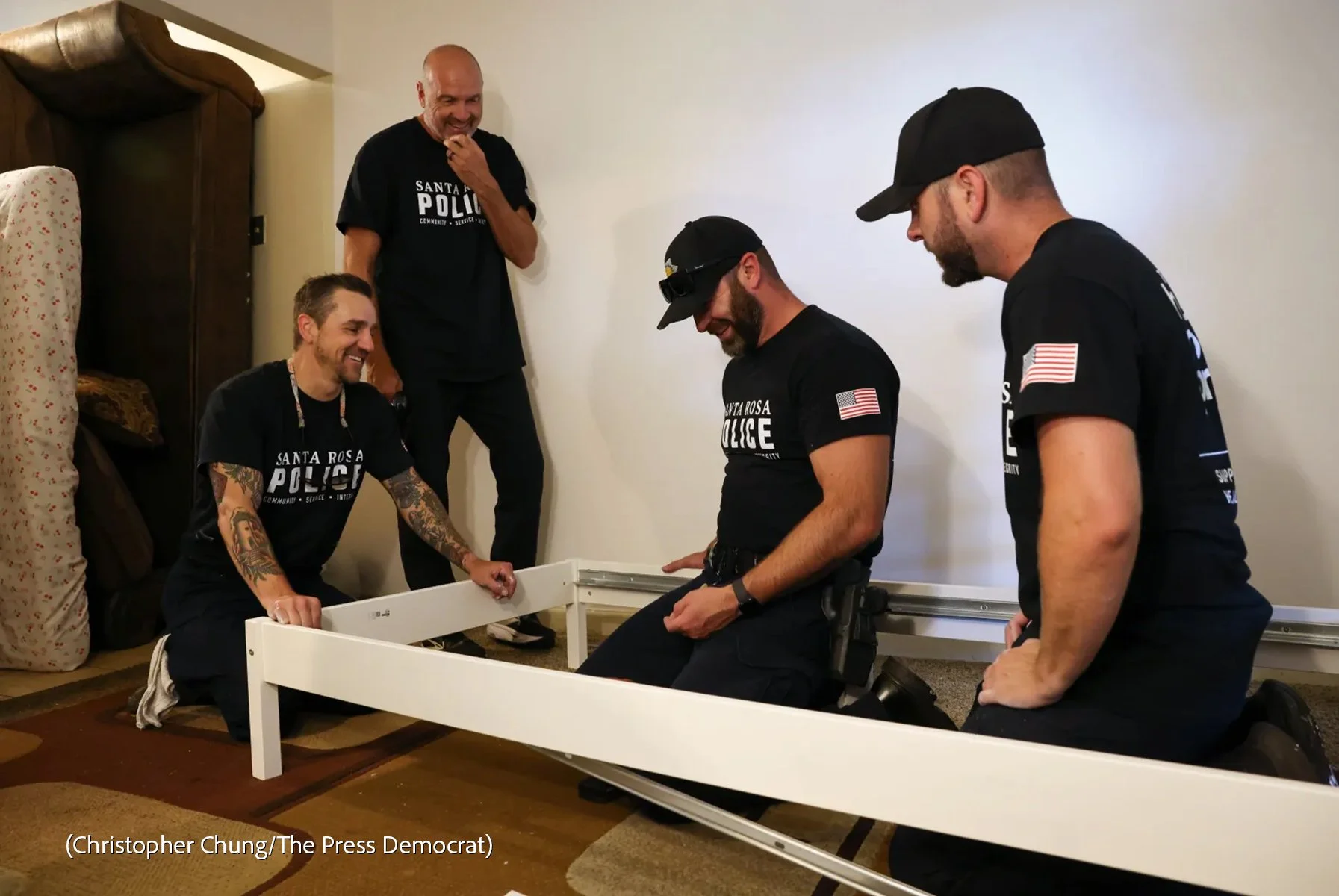
In its first Healthy Room Project renovation, the Santa Rosa Police Department joined volunteers and community partners to transform a crowded apartment into a safer, more comfortable home for a local teenager and her family. The project reflects a broader truth about public safety: strong communities are not built only through enforcement, but through trust, prevention, and practical support that reaches families before a crisis occurs.

New Financial Literacy Requirement Is a Long-Overdue Investment in Our Youth
California’s new high school financial literacy requirement is more than another graduation rule. It is a long-overdue investment in young people, especially students from underserved and marginalized communities who may not otherwise receive practical instruction in budgeting, credit, debt, saving and long-term financial planning. In this essay, I reflect on an early personal lesson about money, trust and responsibility, and why teaching these skills before students enter adulthood can help expand opportunity, strengthen families and build healthier communities.
From Prison Yard to College Campus
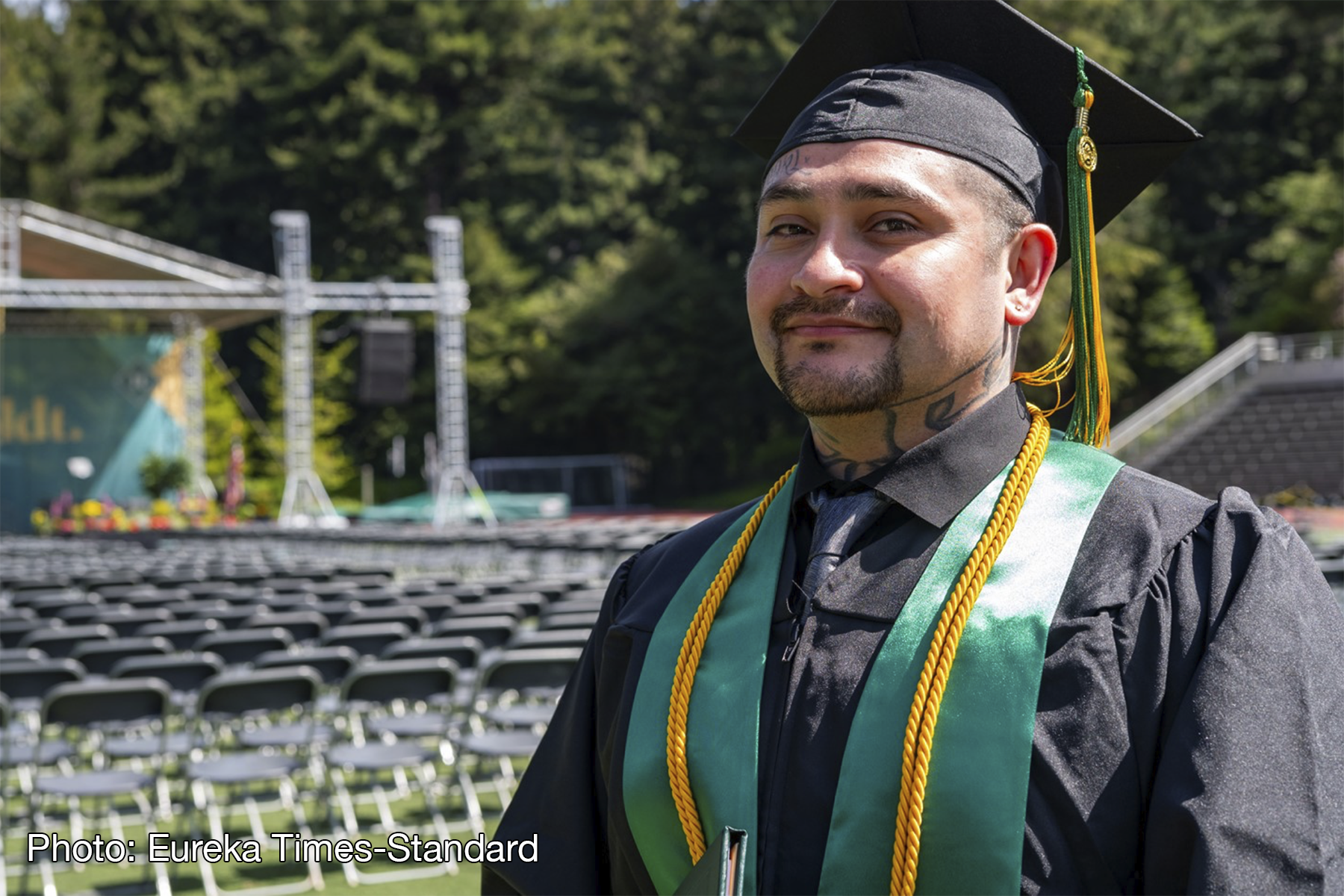
Arthur Monarque’s journey from gang life and prison to college graduate and future master’s degree student is more than an inspiring personal story. It is a reminder that public safety does not end with arrest, prosecution or incarceration. Real community safety also requires prevention, intervention, enforcement and reentry to work together. In Santa Rosa, that balanced approach has long guided the Violence Prevention Partnership, which now includes Project Rebound at Sonoma State University as part of the local reentry pathway. Alongside the Second Chance Club at Santa Rosa Junior College, these programs help formerly incarcerated students find education, structure, belonging and a chance to contribute. This essay explores why education is not an excuse for past harm but one of the most practical ways to prevent future harm.

Before We Judge Measure P, We Should Fully Implement It
Sonoma County’s debate over IOLERO and Measure P should begin with a simple question: Has Measure P ever been fully implemented? Before voters are asked to change the county’s civilian oversight system, the public deserves a clear accounting of what has been implemented, what remains delayed, and what barriers still stand in the way. Independent civilian oversight is not merely a “watchdog” function. It is a key part of 21st century policing that helps strengthen public trust, improve policy, protect fairness, and ensure law enforcement remains accountable and responsive to the communities it serves.
Sonoma State’s Future Is a North Bay Responsibility
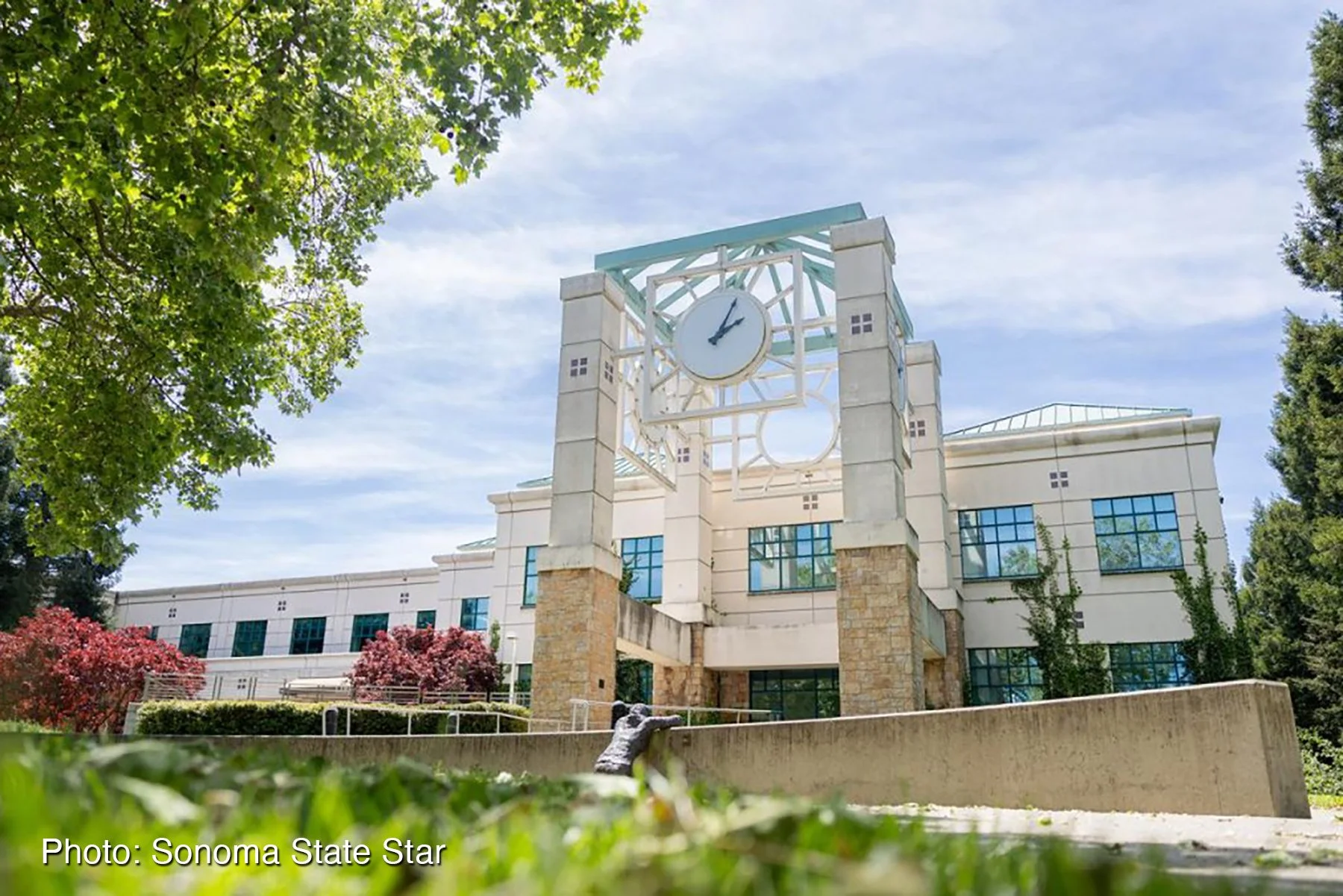
Sonoma State University is facing one of the most important moments in its history. Recent coverage has described a campus challenged by enrollment declines, budget cuts, program reductions, the loss of athletics, and a decline in campus energy. But this is not just a university problem. SSU is a vital North Bay institution that prepares local students, supports the regional workforce, and provides a pathway to opportunity for first-generation, lower-income, and working families. As a member of the SSU Foundation Board of Directors and chair of its Engagement and Philanthropy Committee, I believe this is a moment for alumni, donors, employers, civic leaders, and community members to ask how we can help President Michael Spagna rebuild confidence, strengthen partnerships, and shape SSU’s next chapter.

When Celebration Meets Violence — And Why Community Still Wins
A shooting outside the Roseland Cinco de Mayo Festival brought a sudden and sobering interruption to what should have been a night of celebration. Yet the full story is not defined by that moment of violence. It is also about the swift and courageous response of public safety professionals, the resilience of a community that continued to gather, and the ongoing work to address the root causes of violence. In this Why This Matters Today essay, I reflect on what happened, what it reveals about our shared responsibility for safety, and why our commitment to community connection and prevention efforts matters now more than ever.

When Safety Challenges Business as Usual
A quiet shift in federal policy is underway—one that could reshape how firearms are regulated, sold, and accessed across the country. In this latest WTMT essay, I explore what happens when safety standards are rolled back in the name of “understanding the business,” and why that argument has surfaced in nearly every major public safety reform in American history. This is not just a conversation about gun policy—it’s a broader reflection on how we respond when safety challenges the way things have always been done.
Progress Is Not Permanent
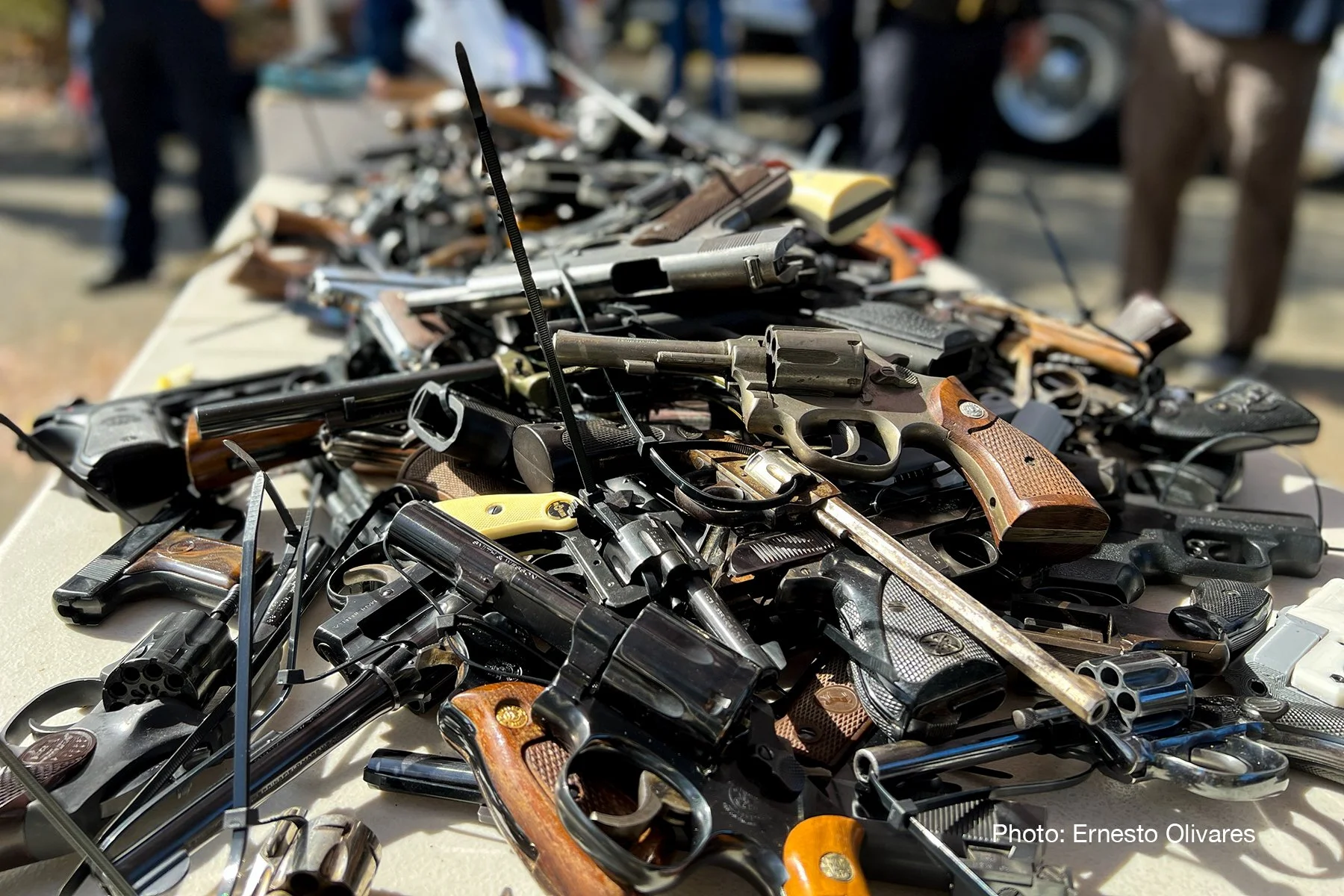
California is seeing a decline in gun violence that few people are talking about—but the real story is not just the progress, it’s what comes next. A new report from the Attorney General shows that years of coordinated effort, investment, and partnership are working. At the same time, those gains are now at risk as funding declines and attention shifts. This moment calls for something simple but essential: staying committed to what we know works. Here in Santa Rosa, that means continuing to support the Violence Prevention Partnership, the work of law enforcement, and the everyday actions that help keep our community safe.